Simple Money Habits That Make Your Salary Last Longer
Small money habits that help you control spending, avoid month-end stress, and save more without feeling restricted.
Making your salary last longer is not always about earning more. Often, it starts with noticing where your money quietly disappears: small daily spending, forgotten subscriptions, late fees, and purchases made without a plan.
Here are 6 simple money habits that can help you stay in control without making life feel boring.

1. Split Your Salary Before You Spend It
The biggest mistake many people make is spending first and saving whatever is left. Usually, nothing is left.
Try this simple split:
- Keep money for bills and essentials
- Move savings to a separate account
- Keep a fixed amount for daily spending
- Leave a small amount for fun or personal purchases
Why it works: When every dollar has a job, you are less likely to spend randomly.
2. Track Spending for 7 Days
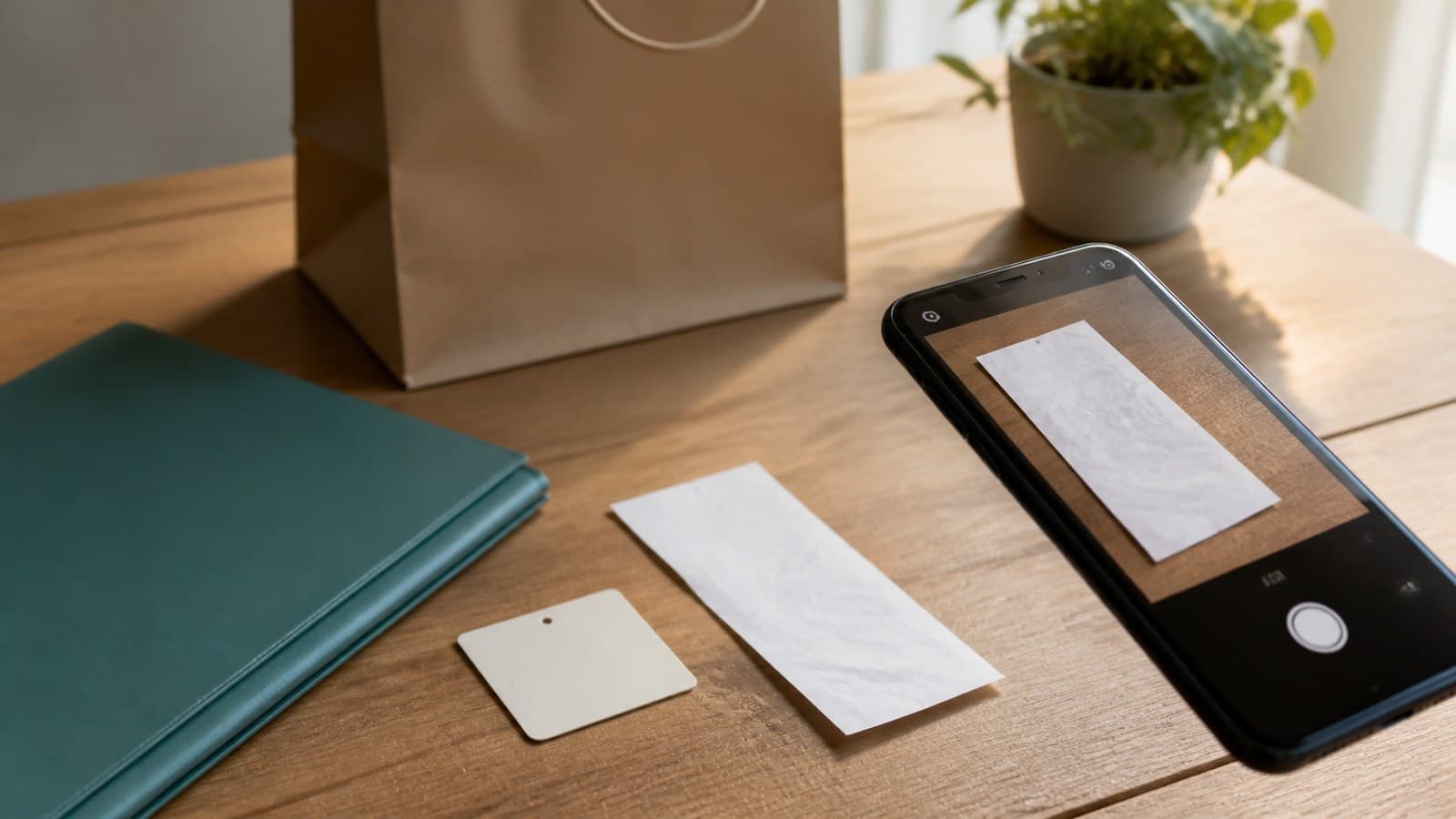
You do not need to track every expense forever. Start with just one week.
What to write down:
- Food and snacks
- Transport
- Online shopping
- Subscriptions
- Small cash payments
At the end of 7 days, look for one pattern. Maybe food delivery is too high. Maybe small purchases are adding up. Maybe subscriptions are quietly taking money every month.

3. Use a 24-Hour Rule Before Buying Non-Essentials
Many purchases feel important in the moment but unnecessary the next day.
Use this rule:
- If it is not urgent, wait 24 hours
- Add it to a wish list
- Recheck if you still want it tomorrow
- Buy only if it still feels useful
Best for: Clothes, gadgets, accessories, home items, and online sale offers.
4. Keep Bills on a Simple Calendar
Late fees are one of the easiest money leaks to avoid.
What to do:
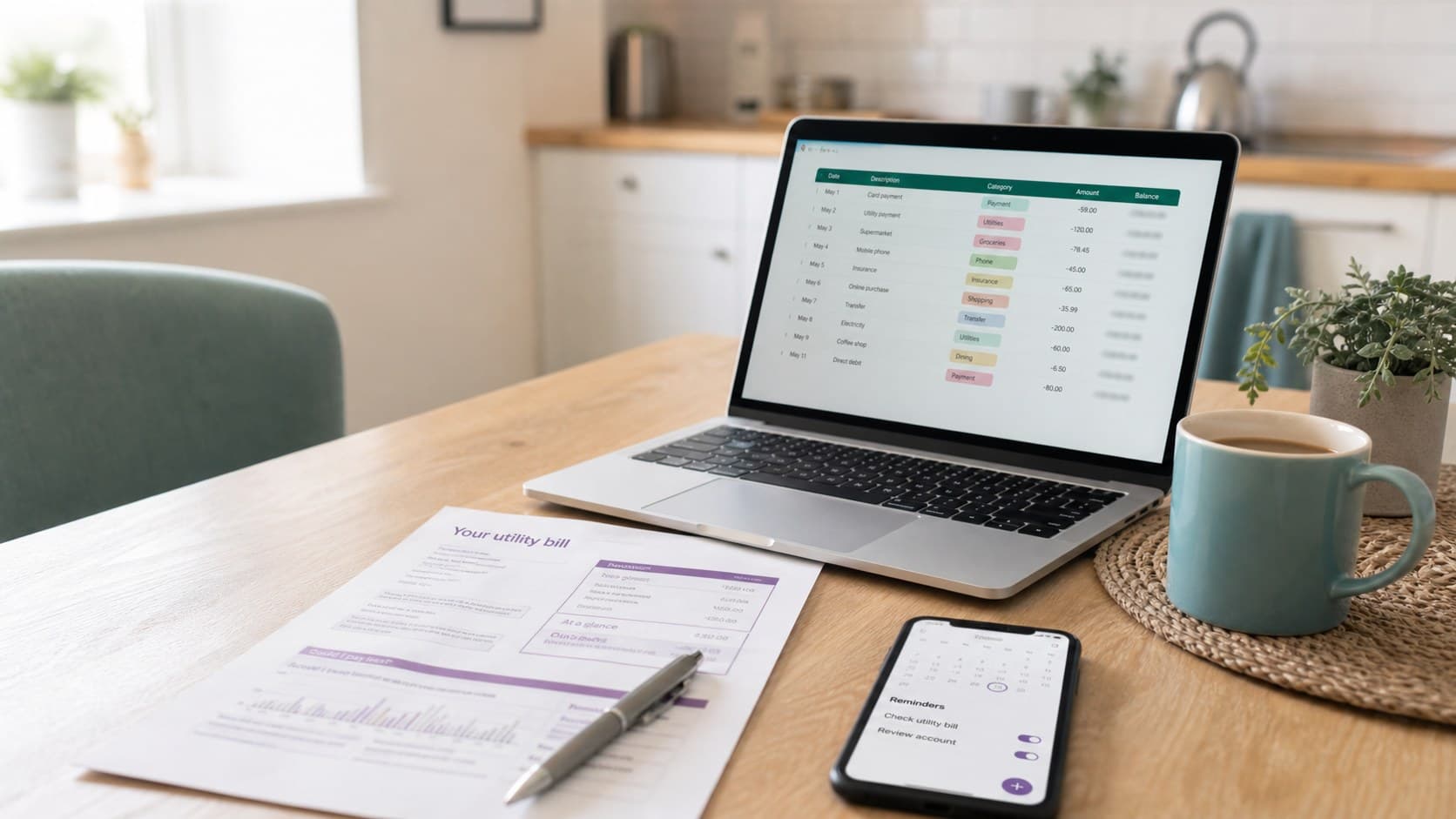
- List your regular bills
- Add due dates to your calendar
- Set reminders 2 days before payment
- Keep bill money separate from spending money
Why it works: You avoid last-minute stress and stop accidentally spending money that was meant for bills.

5. Save Small Amounts Automatically
Saving becomes easier when it happens before you touch the money.
Start small:
- Set an automatic transfer after payday
- Choose an amount you can continue every month
- Increase it slowly when your income improves
- Keep this money away from your daily spending account
Even a small amount saved regularly builds confidence and reduces emergency stress.

6. Give Yourself a Weekly Spending Limit
Monthly budgets can feel too big. Weekly limits are easier to control.
How to do it:
- Decide your weekly spending amount
- Use it for food, transport, and small personal expenses
- Check your balance every 2 or 3 days
- If you overspend one week, reduce the next week slightly
Why it works: You notice problems early instead of realizing at the end of the month that the money is gone.
Quick Recap
| Habit | Why it helps | Time needed |
|---|---|---|
| Split salary first | Stops random spending | 10 minutes |
| Track 7 days | Shows money leaks | 2 minutes daily |
| 24-hour rule | Reduces impulse buying | 1 day wait |
| Bill calendar | Avoids late fees | 10 minutes |
| Automatic saving | Builds consistency | 5 minutes |
| Weekly limit | Easier control | 5 minutes weekly |
You do not need a perfect budget to improve your money life. Start with one habit this week: split your salary, track spending, or set a weekly limit. Small changes done consistently can make your salary feel much easier to manage.
Found this useful?
Send it to someone who should read it.